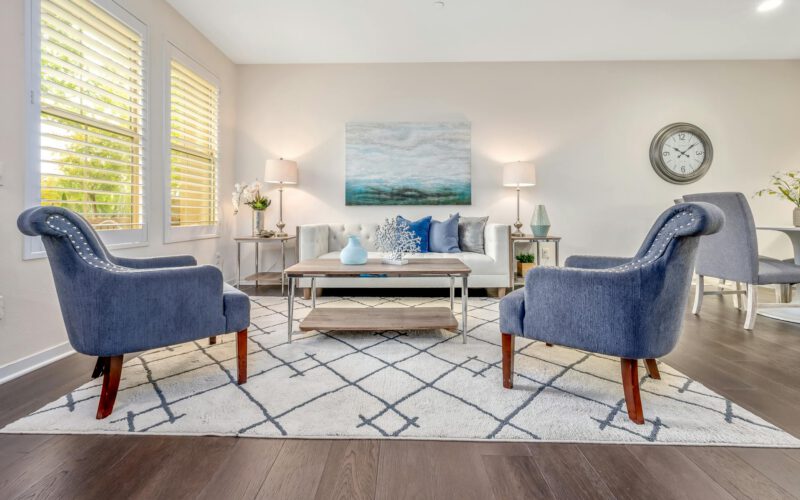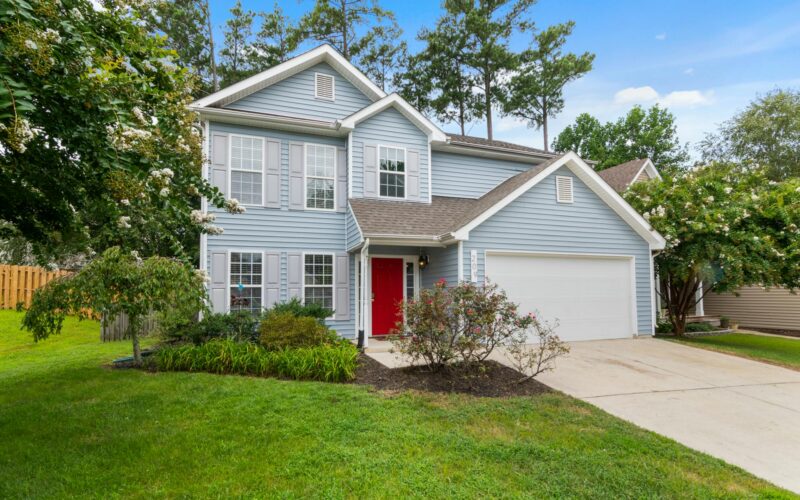

You’ve spent years raising a family, maintaining a home, and building a life in your neighbourhood. The kids are grown. The bedrooms are empty. The yard feels bigger every spring. And lately, you’ve been wondering: is it time for a change?
If you’re 50 or older and starting to think about your next move, you’re not alone. Across Edmonton, homeowners in established neighbourhoods like Riverbend, Terwillegar, and the west end are asking the same question. The family home that was perfect 20 years ago may not be the right fit for this stage of life.
Here’s how to think through the decision and what to consider when the time feels right.
Key Takeaways
- The common signals it’s time: rising maintenance, paying to heat space you don’t use, stairs and a layout that no longer fit, and equity you could put to work.
- Downsizing in Edmonton doesn’t mean settling for less. Bungalows, townhomes, condos, and 50+/55+ adult lifestyle communities each fit a different budget and lifestyle.
- Run the full numbers before you list, not just the equity you free up (often $100,000 to $300,000 as of early 2026, depending on your home and what you buy next), but what the next place costs to run every month.
- Choose for the next 15 years, not the last 30: location, accessibility, and a single-level layout you won’t have to retrofit later.
- Sell smart: price to current comparable data, present the home well, and lean on real downsizing experience. Bev O’Shea-Thomas brings SRES® training and 45-plus years of it.
How do you know when it’s time to downsize?
There’s no single right time to downsize or move. But there are common signals that your current home is no longer serving you well. Bev O’Shea-Thomas has walked Edmonton families through this exact decision for more than 45 years, and the pattern she points to is simple: the signs pile up slowly, then one season they’re impossible to ignore.
The maintenance is becoming a burden. Shovelling snow, maintaining the yard, cleaning rooms nobody uses, and keeping up with repairs on a large home takes time, energy, and money. If home maintenance feels more like a chore than a pleasure, that’s worth paying attention to.
You’re paying to heat and maintain space you don’t use. Empty bedrooms, a basement nobody goes into, and a formal dining room that only gets used twice a year all cost money to heat, cool, insure, and maintain. Those dollars could be going toward travel, hobbies, or savings.
Your home no longer fits your lifestyle. Maybe the stairs are getting harder. Maybe the layout doesn’t work for how you live now. Maybe you’d rather be in a walkable neighbourhood closer to restaurants, medical services, and transit instead of a quiet suburb.
You want to unlock the equity in your home. If you bought your home 20 or 30 years ago, you’re likely sitting on significant equity. Selling and moving to something smaller or less expensive can free up a substantial amount of money for retirement, travel, or helping your children and grandchildren.
What does downsizing actually look like in Edmonton?
Downsizing does not mean settling for less. It means choosing a home that fits your life right now, not the life you were living 15 years ago. In Edmonton, there are excellent options across the city.
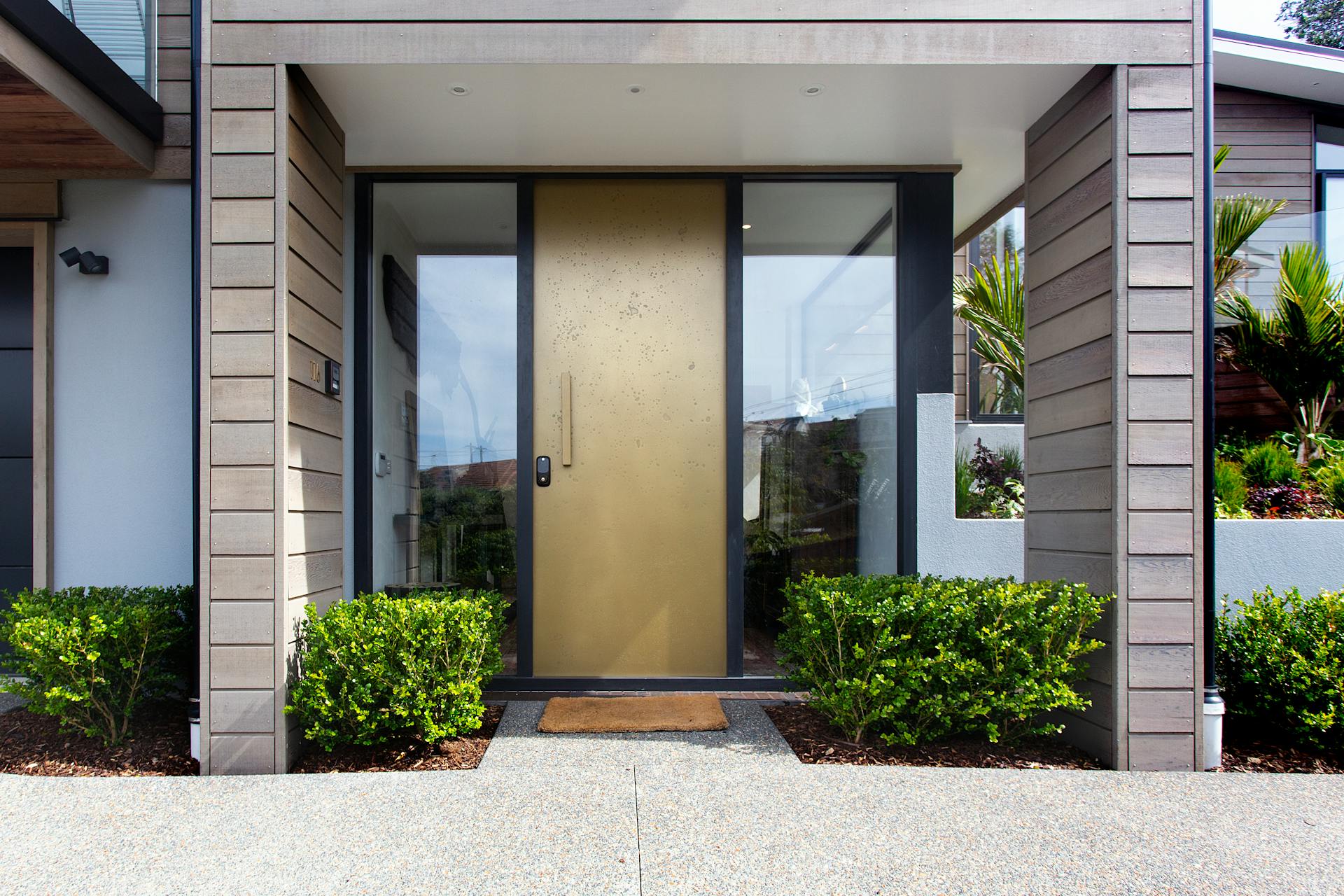
Bungalows and walkout bungalows. Single-level living eliminates stairs and makes aging in place much easier. Edmonton has a strong inventory of bungalows in established and newer neighbourhoods alike. A well-maintained bungalow in the $400,000 to $550,000 range gives you comfortable living space without the excess.
Townhomes and duplexes. These offer a middle ground between a detached home and a condo. You still have your own entrance and some outdoor space, but the footprint is smaller and the maintenance is reduced. Many newer townhome developments in southwest Edmonton include attached garages and modern finishes.
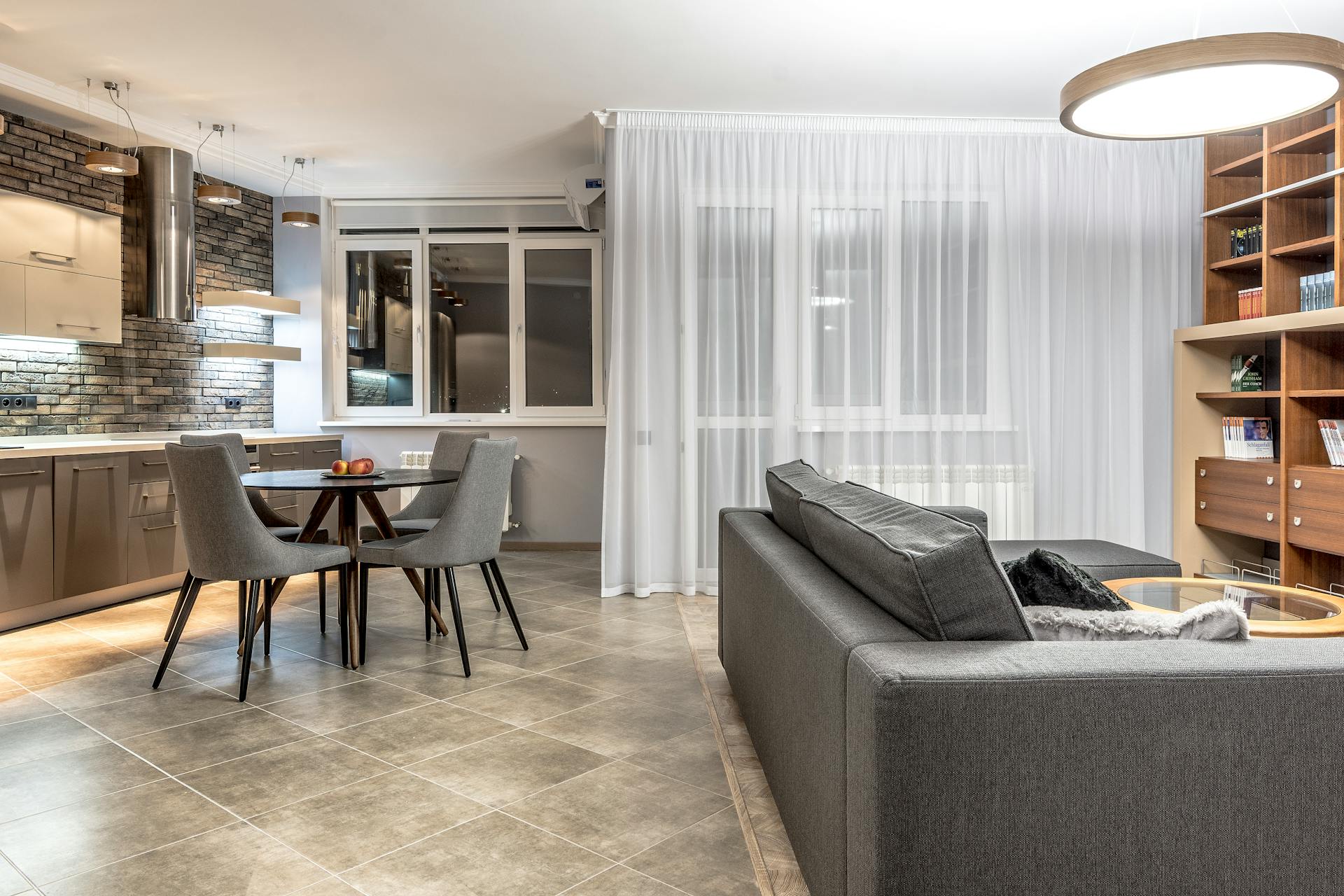
Condominiums. If you want truly maintenance-free living, a condo is the ultimate hands-off option. No shovelling, no mowing, no exterior maintenance. Edmonton condos range from affordable apartment-style units ($200,000 to $350,000) to upscale units in buildings with amenities like fitness centres, party rooms, and underground parking ($350,000 to $600,000 and above).
Adult lifestyle communities. Edmonton and surrounding areas have several 50+ and 55+ communities designed specifically for active adults. These offer smaller, accessible homes with shared amenities and a built-in social community.
What should you weigh before you make the move?
Moving after decades in the same home is a big decision. Taking the time to think through a few key factors will make the transition smoother.
Financial Planning
Real talk: most people fixate on the equity cheque and forget the number that actually moves the needle, what the next place costs to run every month. Bev’s SRES® training is built around modelling both before you list, not after.
Start by understanding your current home’s market value. A comparative market analysis from a local agent will give you a clear picture of what your home could sell for in the current market.
Then figure out your numbers. What will your new home cost? How much equity will you have left over? What are the ongoing costs of the new home (condo fees, property taxes, insurance, utilities)? Will the move put you in a stronger financial position?
In many cases, selling a large family home in an established Edmonton neighbourhood and moving to a smaller property or a condo frees up $100,000 to $300,000 or more in equity as of early 2026, depending on your home and what you buy next. That’s money that can fund retirement, reduce financial stress, or provide a cushion for unexpected expenses.
Location and Lifestyle
Here’s where downsizers second-guess themselves later: they choose the home and forget to choose the location for the next 15 years instead of the last 30.
Think about what matters most to you in your daily life. Do you want to be close to your grandchildren? Near medical facilities? Within walking distance of shops and restaurants? Close to the river valley for walks?
Edmonton has distinct neighbourhood personalities. Oliver and Garneau offer urban walkability. Windermere and Summerside offer newer construction with family-friendly amenities. St. Albert and Sherwood Park offer smaller-city charm with easy access to Edmonton.
Your ideal location depends on your priorities. Make a list of your non-negotiables and your nice-to-haves before you start looking.
Accessibility and Future Needs
Honest answer: nobody at 55 wants to talk about grab bars and step-free entries. But building that in now costs a fraction of retrofitting at 75, and it’s the part of a Seniors Real Estate Specialist (SRES®) consult Bev never skips.
If you’re planning to stay in your next home for 10, 15, or 20 years, think about accessibility now, not just what you need today. A home with a main-floor bedroom and bathroom, wide doorways, a step-free entrance, and a single-level layout will serve you well as your needs evolve.
It’s easier and less expensive to buy a home that already has these features than to retrofit a home later. Keep this in mind as you evaluate options.

The Emotional Side of Downsizing
Leaving a family home is emotional. This is the house where your children grew up, where holidays were celebrated, and where decades of memories were made. Those feelings are real and valid.
Give yourself time to process the decision. You don’t need to rush. But also recognize that the memories live in you, not in the walls. The next chapter of your life can be just as rich, with less maintenance and more freedom.
One practical tip: start decluttering months before you plan to list. Go through one room at a time. Keep what matters, donate or sell what doesn’t, and give meaningful items to your children or grandchildren now. This process takes time, and doing it gradually is much less overwhelming than doing it all at once.
How do you sell your family home for the best price?
If you decide to move, selling your current home well is essential. Homes in established Edmonton neighbourhoods are in demand, especially well-maintained family homes in the $400,000 to $600,000 range as of early 2026, broadly in line with REALTORS® Association of Edmonton sales figures.
Get a professional market evaluation. Do not rely on what your neighbour’s home sold for two years ago. The market changes, and you need current data. A local agent with experience in your neighbourhood can provide an accurate valuation.
Present the home well. Declutter, deep clean, and make any necessary repairs. Even if you’ve lived in the home for 25 years, investing a weekend in simple improvements that help it sell faster can add thousands to your sale price.
Professional photography and modern marketing. Your listing should include professional photos, a video walkthrough, and social media exposure. The majority of buyers start their search online, and first impressions are made through photos before a single showing is booked.
Price it right. Overpricing is the number one mistake sellers make. A well-priced home generates more interest, more showings, and often multiple offers. Trust the comparable sales data and price strategically.
You Deserve a Smooth Transition
Downsizing at 50-plus is as much about lifestyle as it is about real estate, and it helps to work with someone who has guided Edmonton families through this exact transition. That experience belongs to Bev O’Shea-Thomas, a Seniors Real Estate Specialist (SRES®) with more than 45 years guiding Edmonton families through downsizing. If you’re thinking about selling your family home in Edmonton and right-sizing to something that fits the next chapter, call Rory O’Shea at 780-220-4490 or email rory@edmontoncityhomes.com. I’m with Homes & Gardens Real Estate Ltd. here in Edmonton, and Bev O’Shea-Thomas and I will walk you through what your home is worth today and what the right downsized home looks like for your situation. No pressure, just a chat.