

Buying a home in Edmonton is exciting. But it can also be one of the most expensive mistakes you ever make if you don’t know what to look for. Behind fresh paint, new flooring, and a staged living room, there can be issues that cost tens of thousands of dollars to fix.
The best way to protect yourself is to know the warning signs before you fall in love with a property. Here are the red flags every Edmonton buyer should watch for during showings and home inspections.
Key Takeaways
- Foundation problems are the costliest surprise, from $10,000 to $50,000 or more. Watch for horizontal or stair-step cracks and floors that aren’t level.
- Water damage shows up as stains, a musty basement, and white efflorescence on concrete, and it points to mould and rot that’s expensive to fix.
- A roof replacement runs $8,000 to $15,000. Curling shingles and two existing layers are red flags.
- A main sewer line replacement can hit $10,000 to $20,000. Old galvanized and Poly-B pipes are common Edmonton culprits.
- Outdated electrical, like a fuse box or aluminum wiring, means $2,000 to $4,000 or more and possible insurance hurdles.
- A furnace replacement is $4,000 to $7,000, and in an Edmonton winter, heat isn’t optional.
- A professional home inspection costs $400 to $600. It’s the cheapest insurance you’ll buy on a home.
What foundation problems should Edmonton buyers watch for?
This is the big one. Foundation repairs in Edmonton can range from $10,000 to $50,000 or more, depending on the severity. Alberta’s clay-heavy soil expands and contracts with moisture changes, which puts stress on foundations over time. It’s especially common in older neighbourhoods.
What to look for:
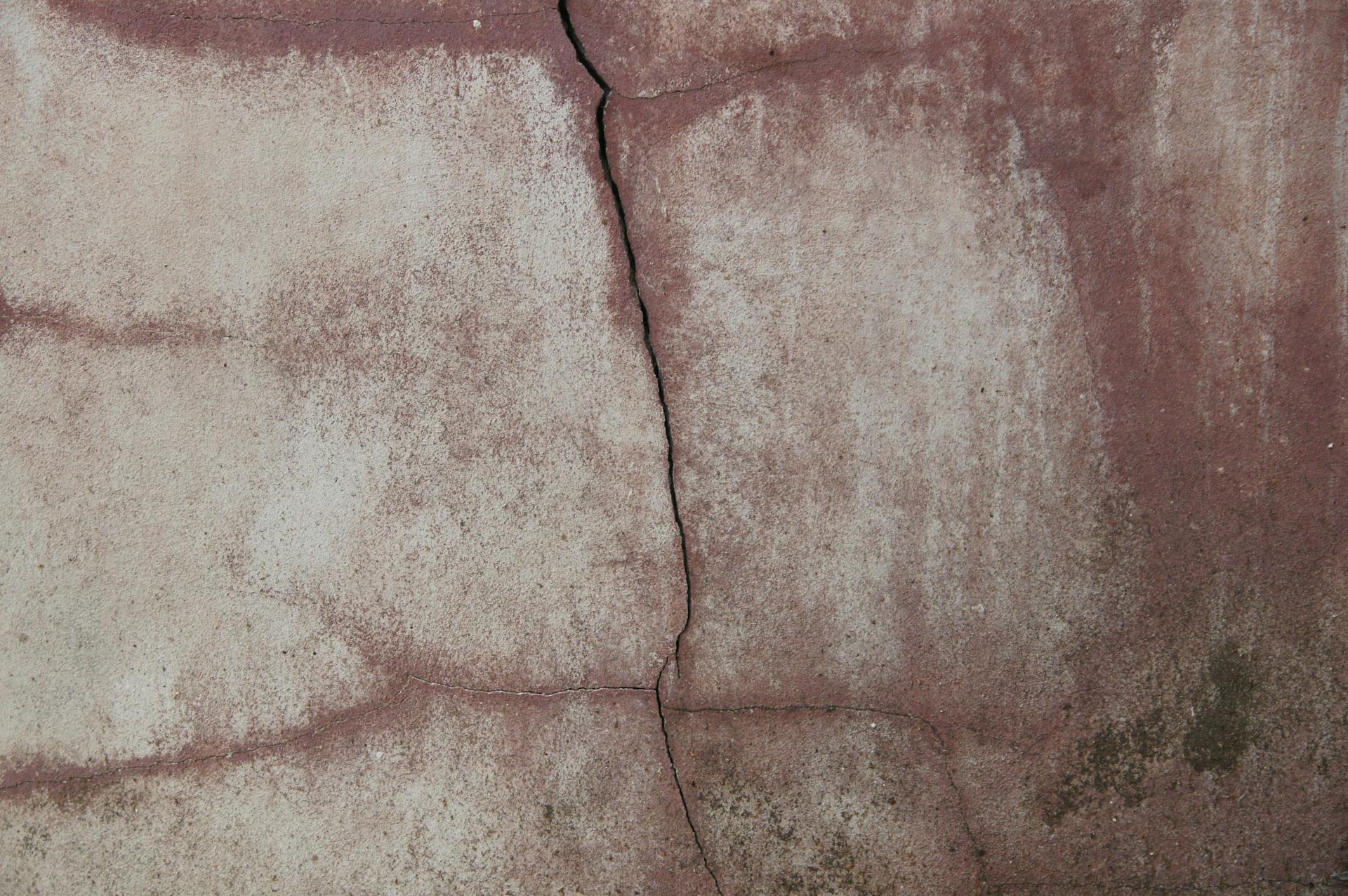
Cracks in the foundation walls, particularly horizontal cracks or stair-step cracks in brick or block foundations. Vertical hairline cracks are common and usually not serious, but wider cracks or cracks that are offset (one side higher than the other) are a concern.
Doors and windows that stick or won’t close properly. If multiple doors in the house have this issue, it could mean the foundation has shifted.
Uneven or sloping floors. Bring a marble or a small ball to a showing. If it rolls on its own, the floor isn’t level, and that could point to structural movement.
Cracks in interior drywall, especially above door frames and at the corners of windows. A few small cracks in an older home are normal. Multiple large cracks in a pattern suggest something is moving.
Edmonton-specific note: Homes built in the 1960s through 1980s in neighbourhoods like Riverbend, Mill Woods, and parts of west Edmonton are at the age where foundation issues can start to appear. That doesn’t mean you should avoid these homes. It means you should inspect them carefully.
How do you catch water damage before you buy?
Water causes more expensive damage than almost anything else I see in Edmonton homes, and it’s usually worse than it looks on the surface. Moisture problems lead to mould, rot, and structural damage that’s costly to fix. Heavy spring runoff and the freeze-thaw cycle create water-management challenges unique to our climate.
What to look for:
Water stains on basement walls or floors. Even if the stains look old or dry, they tell you water has entered the home. Ask when it happened and what was done about it.
A musty or earthy smell in the basement. That’s often a sign of hidden mould or ongoing moisture issues. Don’t ignore it, even if the seller says it’s “just an old house smell.”
Efflorescence on basement walls. This is a white, chalky residue on concrete or masonry. It forms when water passes through the wall and evaporates, leaving mineral deposits behind. It’s a clear sign that moisture is getting in.
Peeling paint or bubbling wallpaper in the basement or on exterior walls. Both can mean moisture is trapped behind the surface.
Downspouts that dump water right next to the foundation. Proper grading and drainage are essential. Water should flow away from the house, not pool beside it.
What are the warning signs of a roof near the end of its life?
A roof is easy to ignore right up until it’s leaking into your top-floor ceiling. A new roof in Edmonton typically costs $8,000 to $15,000 for asphalt shingles on a standard home. If the roof is near the end of its life or already damaged, that’s a significant expense waiting for you after closing.
What to look for:
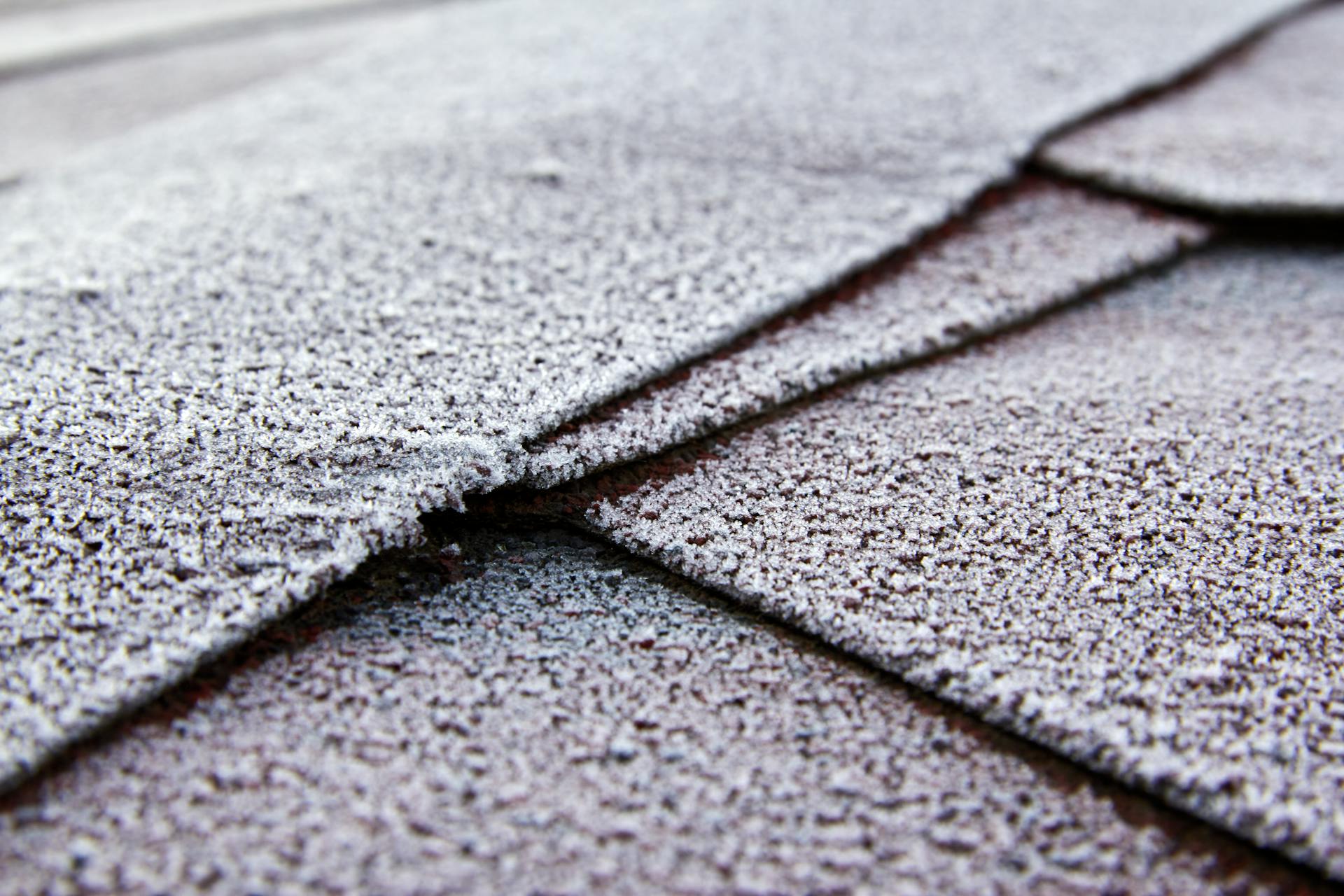
Curling, cracked, or missing shingles. Edmonton’s temperature swings are hard on roofing materials. If you can see damage from the street, the roof needs attention.
Multiple layers of shingles. Some homeowners shingle over existing layers instead of doing a proper tear-off. Most building codes allow a maximum of two layers. If there are already two, the next replacement will require a full tear-off, which adds to the cost.
Sagging in the roofline. If the roof deck is sagging between rafters or trusses, there could be structural issues in the attic.
Water stains on the ceiling of the top floor. That’s a sign of a current or recent roof leak. Ask about it and have the inspector check the attic space thoroughly.
Edmonton-specific note: Hail damage is common in central Alberta. Check whether the roof has been replaced or repaired after a hail event. If a claim was made, ask for documentation. Some insurance companies are cautious about covering homes with a history of hail claims.
Which plumbing red flags should you check during a showing?
Plumbing issues range from annoying to catastrophic. A simple faucet repair is a few hundred dollars. Replacing the main sewer line? That can be $10,000 to $20,000.

What to look for:
Low water pressure throughout the house. Run multiple taps and flush a toilet at the same time during your showing. If the pressure drops significantly, there could be pipe issues.
Slow drains in multiple fixtures. One slow drain is usually a minor clog. Multiple slow drains suggest a problem deeper in the system.
Visible corrosion or discolouration on exposed pipes in the basement or under sinks. Green or white buildup on copper pipes, or rust on galvanized steel, is a sign of aging plumbing.
The type of pipes matters. Older Edmonton homes may have galvanized steel pipes, which corrode from the inside and eventually need full replacement. Poly-B (polybutylene) piping, common in homes built between the late 1970s and mid-1990s, is known for developing leaks at fittings and connections. Ask the seller or check the inspection report for pipe material.
Sewer backups. Ask the seller directly whether the home has had sewer backups. In older Edmonton neighbourhoods, tree-root intrusion and aging service lines are common culprits, and the homeowner is responsible for the service line running from the house to the city main. EPCOR, Edmonton’s drainage utility, has a useful rundown of the common causes of sewer backups and how to prevent them.
What electrical issues should make an Edmonton buyer cautious?
Electrical work isn’t something you want to discover needs fixing after you move in. Outdated wiring can be a safety hazard and a barrier to insurance.
What to look for:
A fuse box instead of a breaker panel. Fuse boxes aren’t inherently dangerous, but they tell you the electrical system hasn’t been updated in decades. Upgrading to a modern breaker panel typically costs $2,000 to $4,000.
Aluminum wiring. Common in Edmonton homes built in the late 1960s and 1970s, aluminum wiring isn’t dangerous on its own, but it needs special connectors and careful maintenance. Some insurers charge higher premiums or require the connections to be fixed. Ask about it before making an offer.
Not enough outlets, or outlets that don’t work. If you see extension cords and power bars everywhere, the home may not have enough circuits for modern demand.
Two-prong outlets with no ground. That tells you the wiring hasn’t been updated. Grounding is a safety standard.
Will the furnace cost you money after closing?
In Edmonton, your furnace isn’t optional. Winters regularly hit minus 20 to minus 35 degrees Celsius, so a reliable heating system is essential.
What to look for:
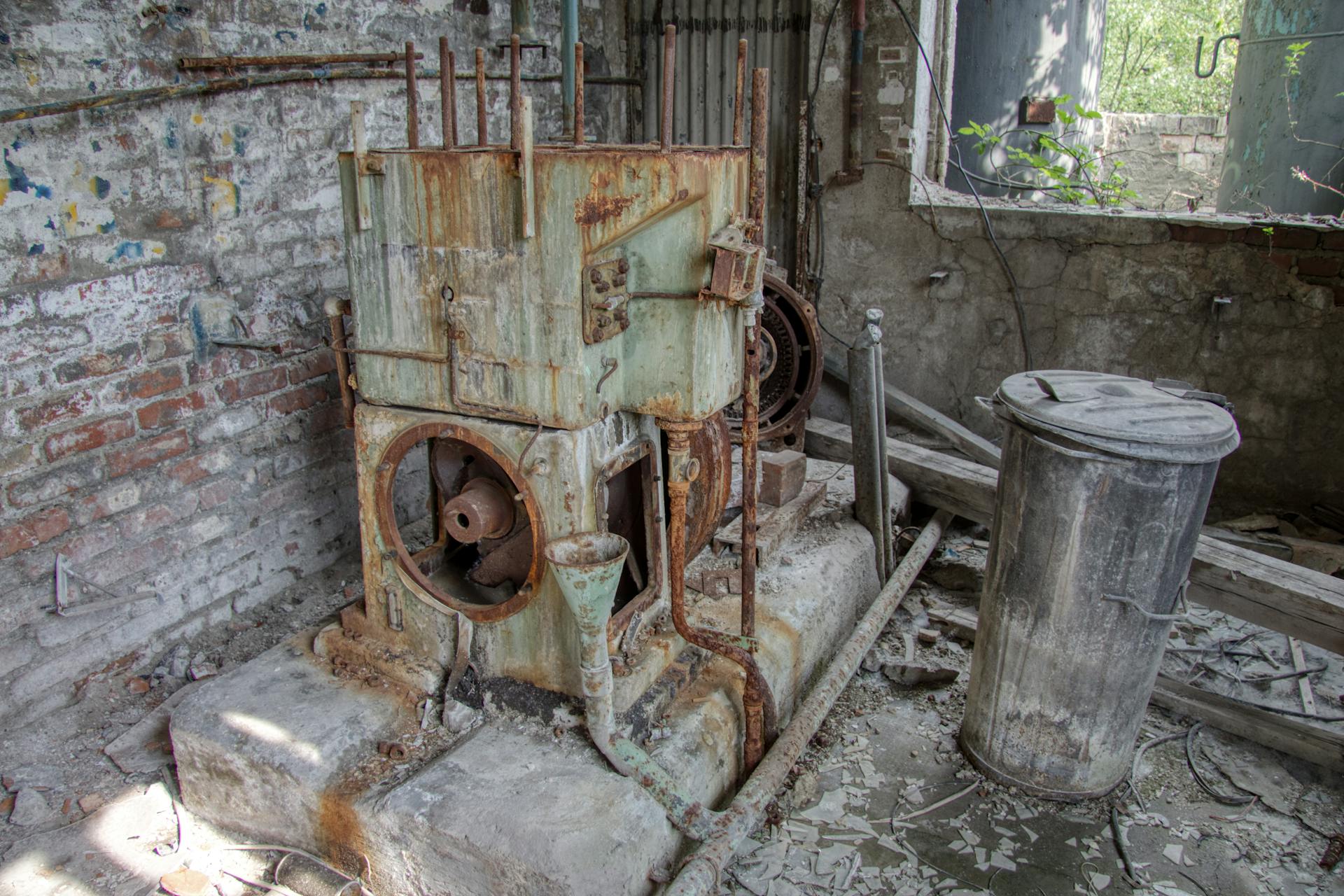
The age of the furnace. A standard high-efficiency furnace lasts 15 to 20 years. If it’s approaching or past that age, budget $4,000 to $7,000 for a replacement.
The age and condition of the hot water tank. Conventional tank water heaters last about 10 to 12 years. Check the manufacturing date on the tank.
Whether the furnace is standard or high efficiency. High-efficiency furnaces (90% AFUE or higher) are the modern standard. If the home still has a mid-efficiency furnace, it’ll eventually need upgrading.
Unusual noises, uneven heating between rooms, or a furnace that runs constantly. These can mean the system is undersized, poorly maintained, or failing.
Why should you always get a home inspection in Edmonton?
No matter how confident you feel about a property, always hire a qualified home inspector before you finalize your purchase. A home inspection in Edmonton typically costs $400 to $600 and takes 2 to 3 hours. It’s one of the best investments you can make.
A good inspector will catch issues you might miss, explain what’s urgent versus what’s cosmetic, and give you the information you need to make an informed decision. I attend every inspection with my clients because I want to make sure you understand exactly what you’re buying. Skipping it is one of the costliest mistakes Edmonton buyers make.
The Bottom Line
A great home inspection finds problems before they become your problems. And the purchase price isn’t the only number that matters; the ongoing costs of owning a home in Edmonton, from property tax to maintenance, deserve a spot in your budget too. If you’re looking at a home in Edmonton and want a second set of eyes on what to watch for before you commit, call Rory O’Shea at 780-220-4490 or email rory@edmontoncityhomes.com. I’m with Homes & Gardens Real Estate Ltd. in Edmonton, and I’ll walk through the property with you and flag the red flags inspectors sometimes miss. No pressure, just a chat.